SPACE4ALL
Mapping climate vulnerabilities of slums by combining citizen science and earth observation technology
2024 - ongoing
Overview
SPACE4ALL Research Approach
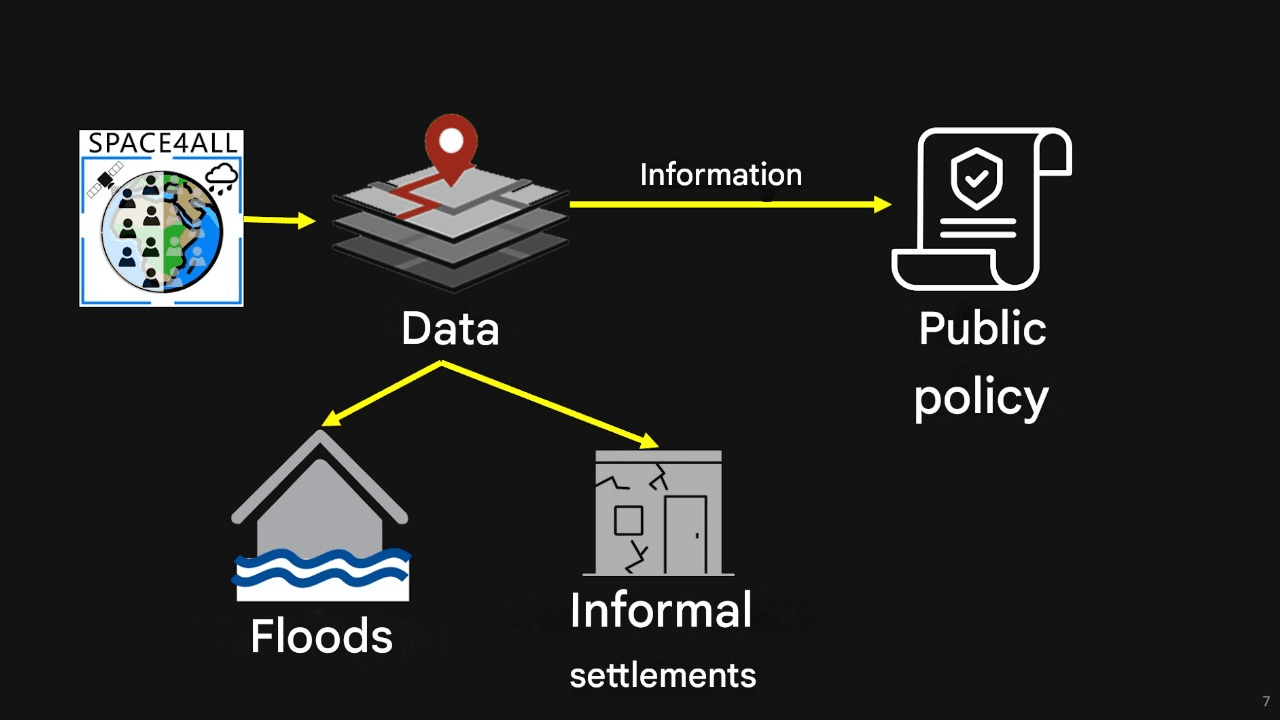
This novel approach had the main purpose the development and training of deep learning models in order to map the degree of vulnerability of slum communities to climate-related risks across both large and secondary cities in Africa, to enhance the precision and the flooding early-warning capacity of the model.
SPACE4ALL Research Approach
The project was conducted in African cities, namely Kisumu and Nairobi in Kenya, Accra and Tema in Ghana and at last Beira and Chimoio in Mozambique, in partnership with African institutions such as Data4MOZ and Sdi Kenya.
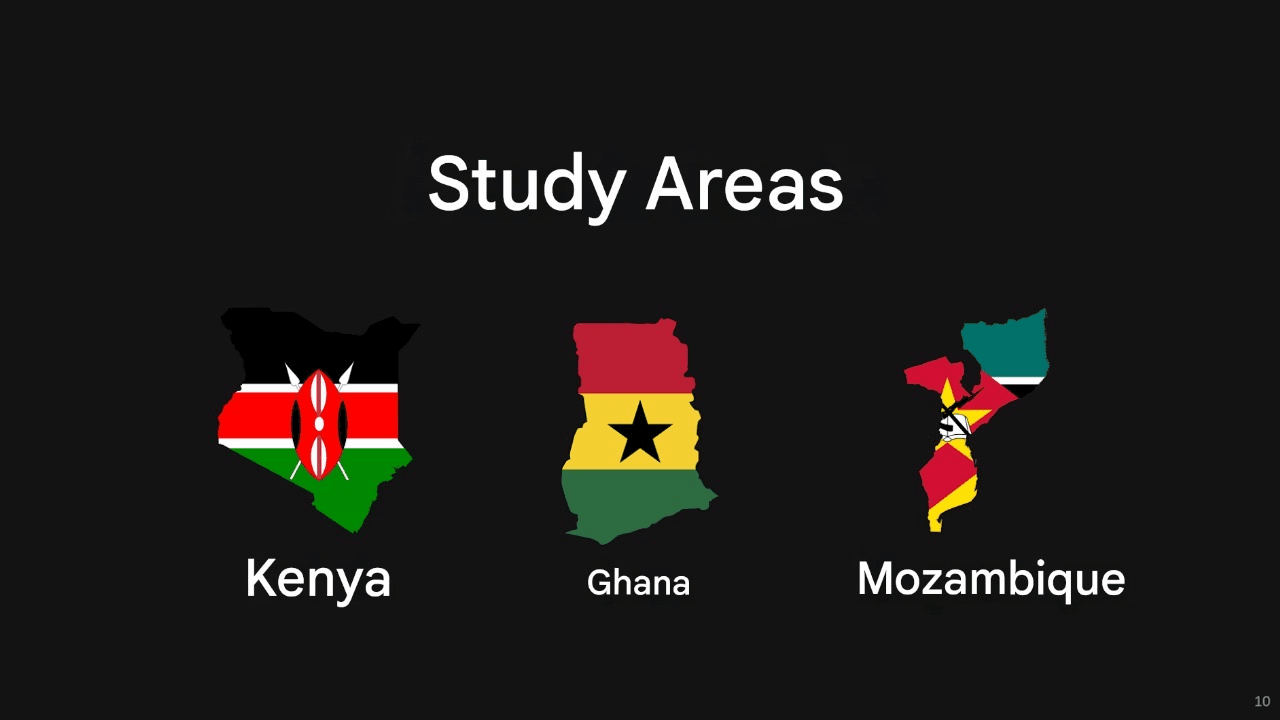
Study countries of the project
The study was conducted in a participatory format where the citizens were able to point and map the vulnerable areas of the city to climate hazards, especially flooding, including its depth level of the floods for the latest events.
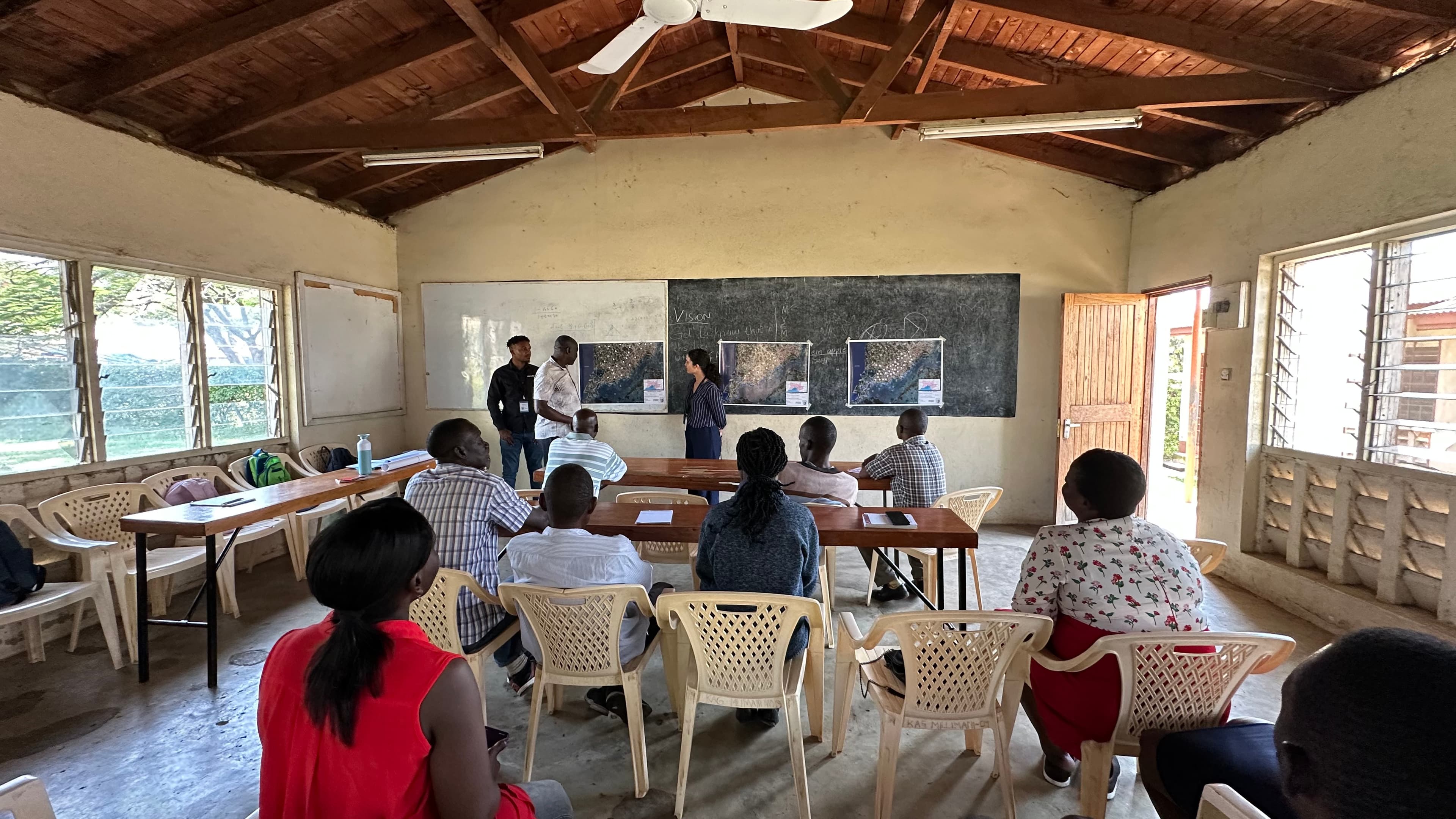
Participatory validation: Kisumo, January 2025
The applied methodology allowed to gather local experts and stakeholders experience regarding the city's vulnerability to climate hazards through workshops with governmental and municipality institutions, NGO, private sector and community-based organizations that are engaged on climate action, WASH and urban planning.
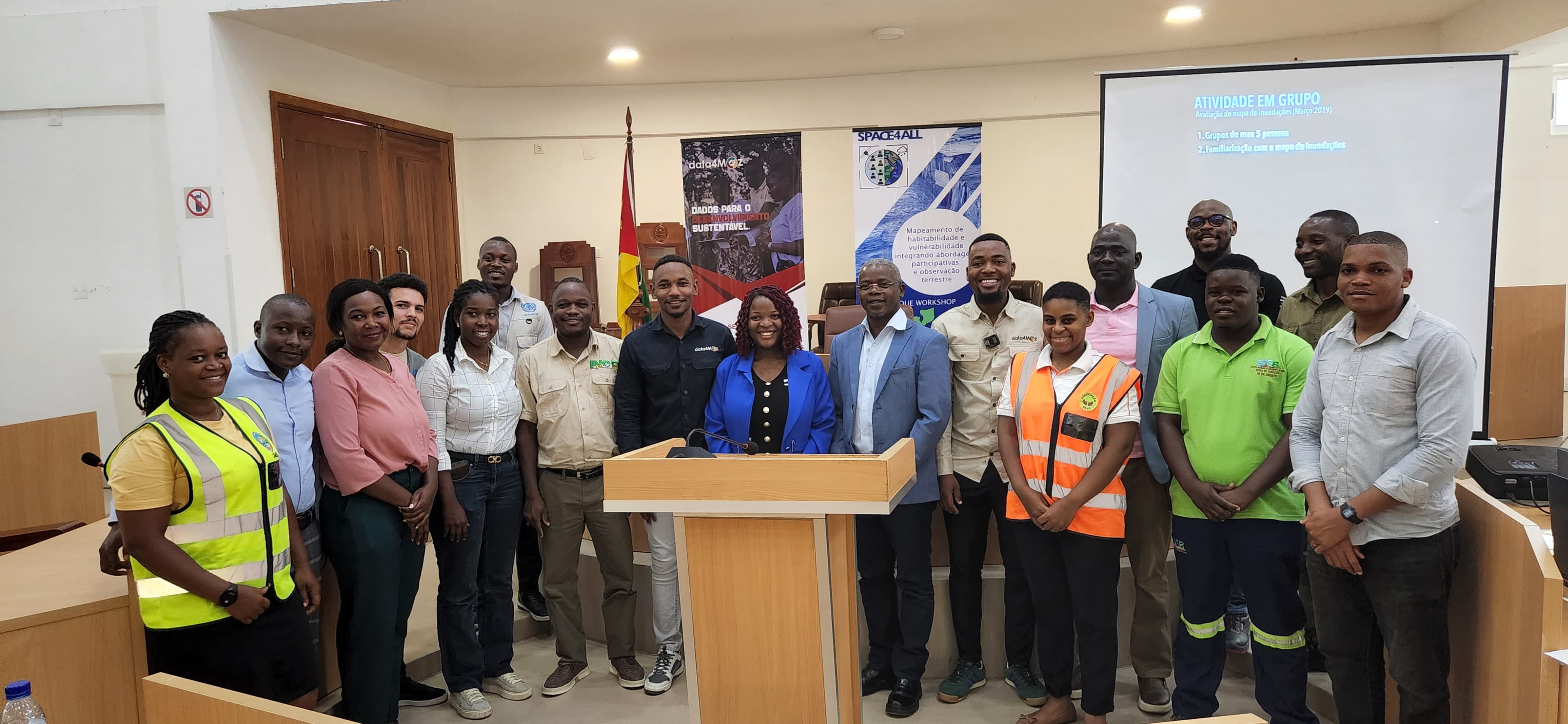
Participatory validation with stakeholders: Beira, February 2025
Contribution
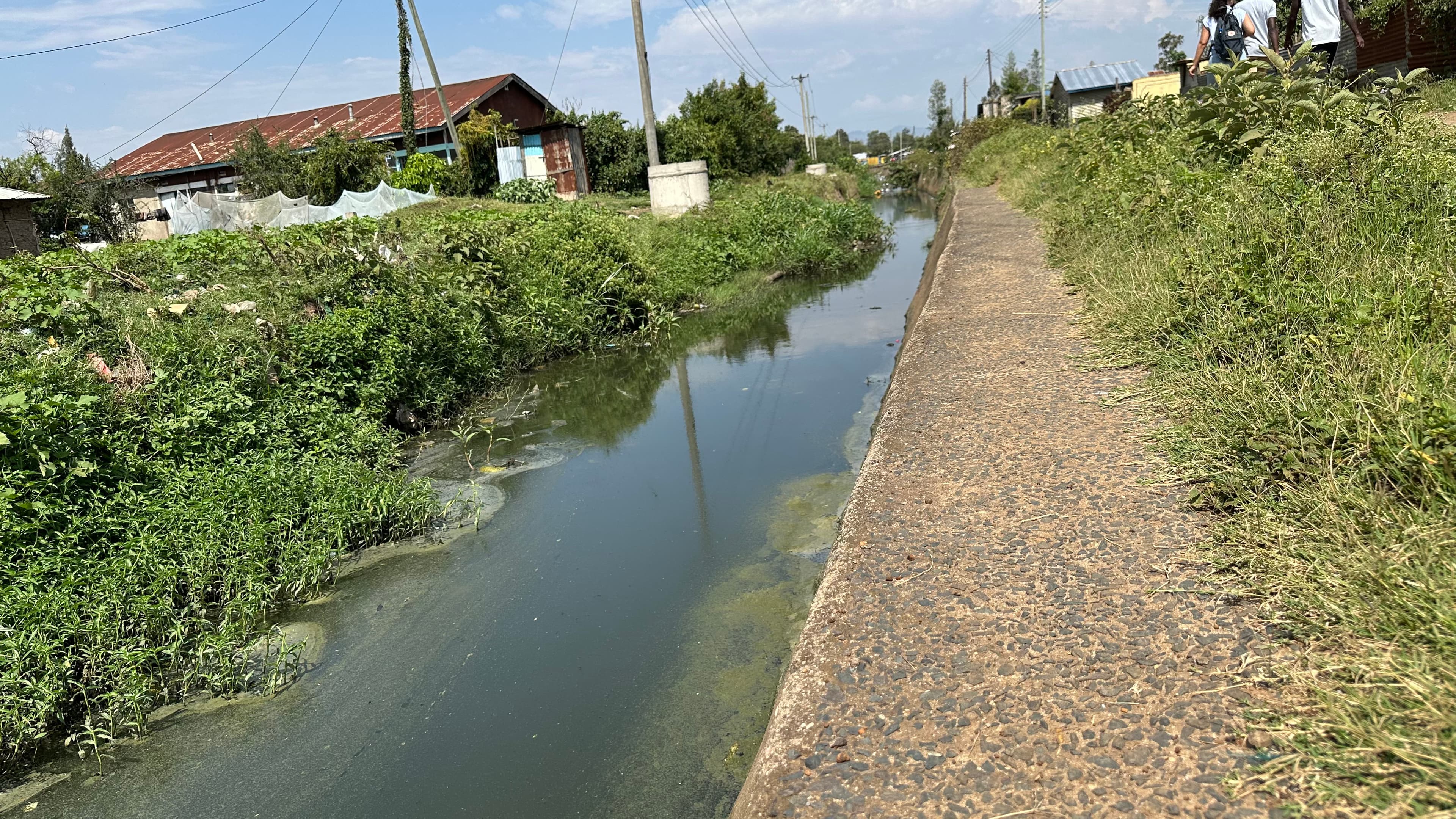
Under the Data4MOZ umbrella, as remote sensing analyst in the institution, my contribution for Space4All extended into the field data collection and model validation, conducting field validation sessions in Kisumo (Kenya) together with ITC-University of Twente members and leading the activities in Beira and Chimoio (Mozambique), engaging the local communities and stakeholders for model validation sessions and gather subsidies by field observations, transect walks and mapping informal settlements.
Transect Walk in Manyata B Neighbourhood, Kisumu, Kenya, January 2025
Preliminary Results
Reports Available under request
Request Report via EmailApplied Skills
Involved institutions